
About us

We are a diverse team of scientists and experts in agriculture, medicine, pharmacy, and technology – from different generations but united by a common aspiration: to create sustainable value for communities through research and innovation.
What connects us is the belief that scientific knowledge, when combined with local resources, can generate solutions that are both practical and globally impactful. Our mission goes beyond developing medicinal products from Chromolaena odorata; we aim to build a research–production–commercialization–community linkage model to:
a. Bring scientific research closer to everyday life.
b. Create new and sustainable livelihoods for farmers in disadvantaged regions.
c. Contribute to reducing antibiotic dependence in human and animal healthcare, for safer and more sustainable agriculture and medicine.
By combining knowledge, technology, and social responsibility, we believe our efforts today will help shape a greener, healthier, and more equitable future for all.
What is Chromolaena Odorata
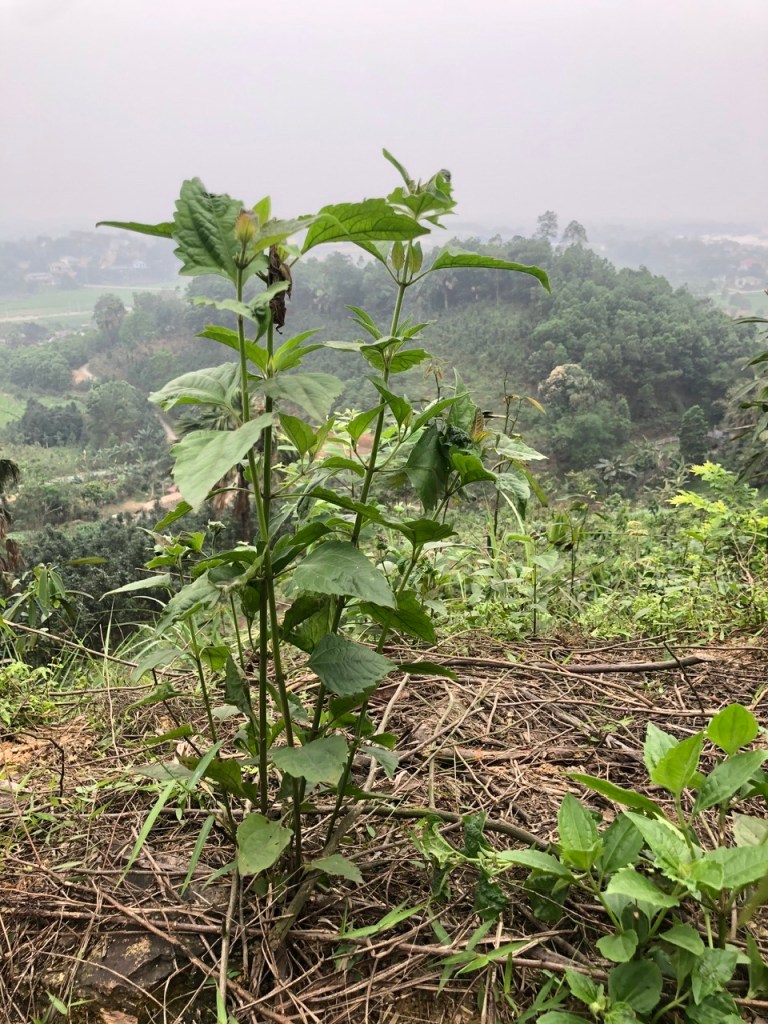
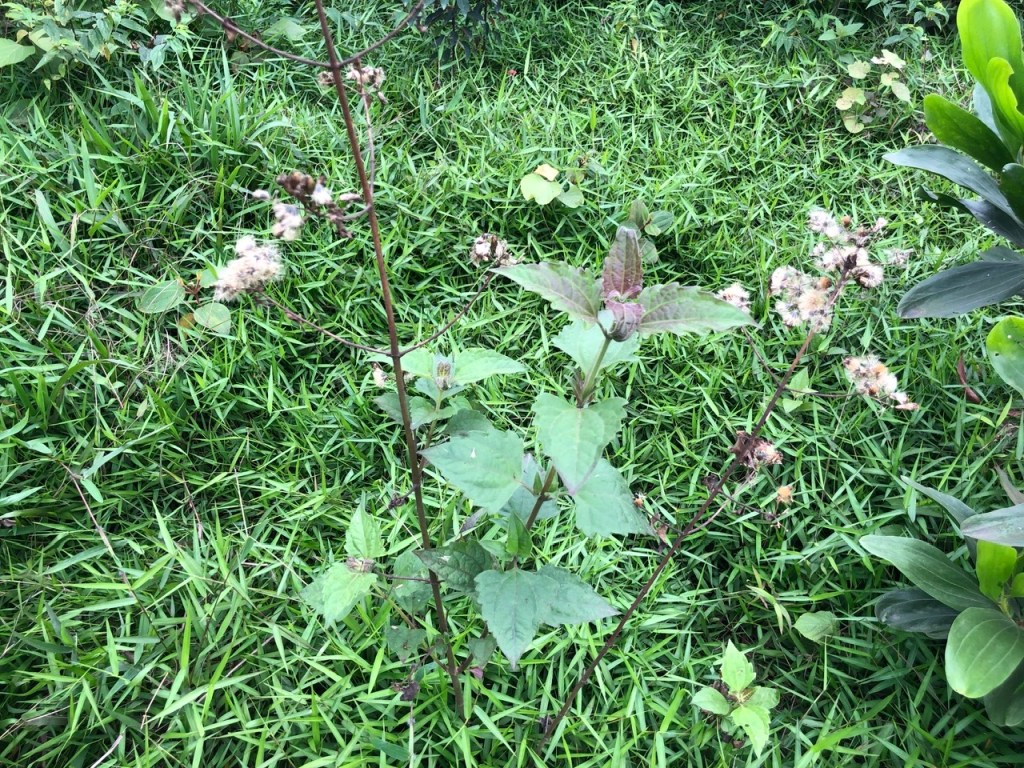
Chromolaena odorata (Siam Weed) – A Powerful Natural Medicinal Plant
Scientific name: Chromolaena odorata (L.) R.M. King & H. Rob.
Family: Asteraceae
Common names: Siam weed, bitter bush, jack-in-the-bush, or “cỏ Lào” in Vietnamese.
Overview:
Chromolaena odorata is a perennial shrub native to tropical America and now widely distributed across Asia and Africa. In Vietnam, it naturally grows in mountainous and midland areas and has long been used in traditional medicine for its remarkable wound-healing, antibacterial, and anti-inflammatory properties.
Key Bioactive Compounds:
The plant contains a rich profile of phenolic compounds, flavonoids, tannins, saponins, and alkaloids, which contribute to its strong antioxidant and broad-spectrum antimicrobial activities. It has demonstrated effectiveness against various bacteria, particularly antibiotic-resistant strains such as Staphylococcus aureus and Pseudomonas aeruginosa. High phenolic content has also been associated with enhanced wound healing and infection resistance.
Traditional and Modern Applications:
Agricultural use: Exhibits natural pest-repelling and antibacterial properties, supporting sustainable and chemical-free farming systems.
Human healthcare: Used as a herbal remedy for treating wounds, burns, ulcers, stomach disorders, and infections.
Veterinary use: Potential as a natural antibiotic substitute for livestock feed, especially relevant as Vietnam bans the preventive use of synthetic antibiotics in 2026.