

Journey to Discover Native Strains
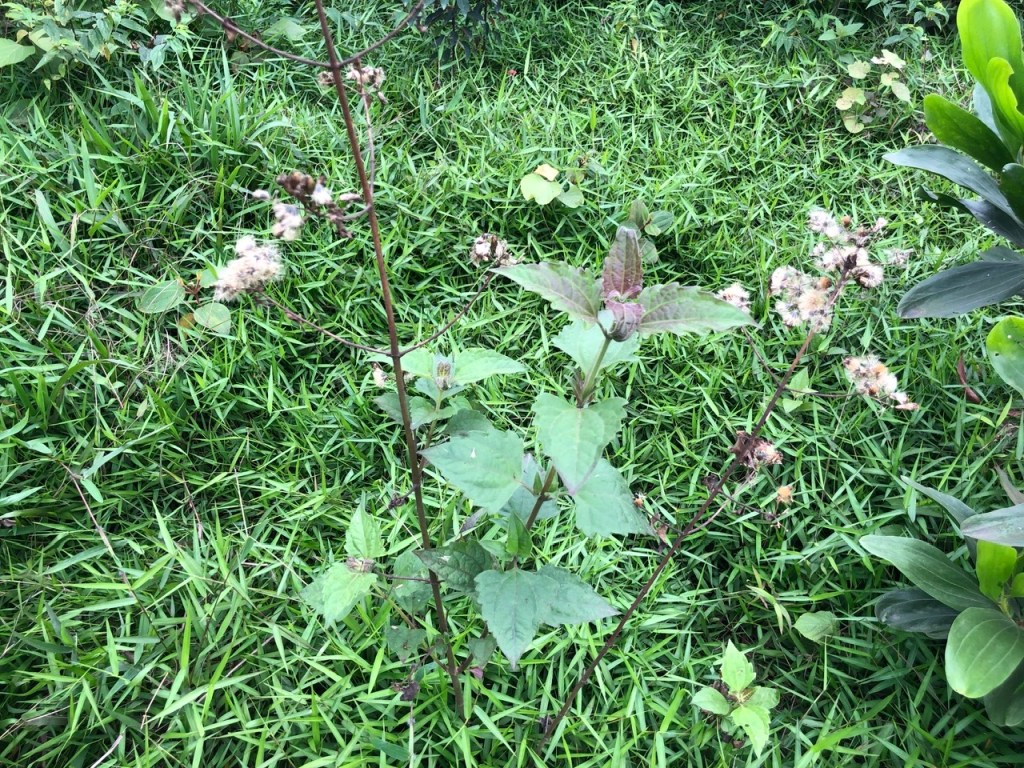
Our journey to collect Chromolaena odorata began in the remote mountains and stretched across the plains of Northern Vietnam. From misty hillsides and forest edges to sunlit farmlands, our team traveled hundreds of kilometers to locate and preserve diverse wild strains growing naturally in different ecological conditions. Each sample represents not only the plant’s genetic diversity but also the dedication and perseverance behind our mission — to protect, study, and unlock the medicinal potential of this remarkable Vietnamese herb.

Establishing the Germplasm Conservation Garden
After months of field collection, each wild strain of Chromolaena odorata was carefully transplanted and nurtured in our germplasm conservation garden at the Vietnam National University of Agriculture. The garden serves as a living library, preserving the genetic diversity of the species under controlled conditions. Every plant is monitored, documented, and evaluated for its growth characteristics and bioactive potential. This garden not only safeguards valuable genetic resources for future research and breeding but also stands as a symbol of our long-term commitment to sustainable medicinal plant development in Vietnam.

Propagation Process
From the preserved germplasm, selected Chromolaena odorata plants showing strong vitality and high phenolic potential were propagated through stem cuttings under controlled nursery conditions. Each cutting was carefully treated with natural growth regulators to ensure healthy rooting and uniform development. Through repeated trials and careful observation, we established stable propagation protocols that maintain the plant’s unique bioactive properties. This process lays the foundation for developing elite lines with superior medicinal quality — a crucial step toward large-scale cultivation and future industrial applications.

Cultivation and Field Management
To establish an effective cultivation protocol, experimental plots were set up across different conditions. Our research team carefully studied soil types, watering regimes, and sunlight exposure to determine the most suitable conditions for optimal growth and phenolic accumulation. Through continuous monitoring, we developed sustainable cultivation practices that require minimal chemical inputs and promote natural resilience against pests and diseases. These findings form the basis for a practical and eco-friendly farming model, ensuring both high yield and high-quality medicinal content in Chromolaena odorata.

Sample Harvesting and Phytochemical Evaluation
When the plants reached their optimal growth stage, representative samples from each Chromolaena odorata line were carefully harvested under standardized conditions to ensure consistency and scientific accuracy. Fresh leaves were cleaned, labeled, and preserved for laboratory analysis. Using modern analytical techniques, our team evaluated the concentration of key bioactive compounds — particularly total phenolics, flavonoids, and antioxidants. The results provided valuable data to identify superior strains with the highest medicinal potential, forming the scientific foundation for future product development and genetic improvement.